
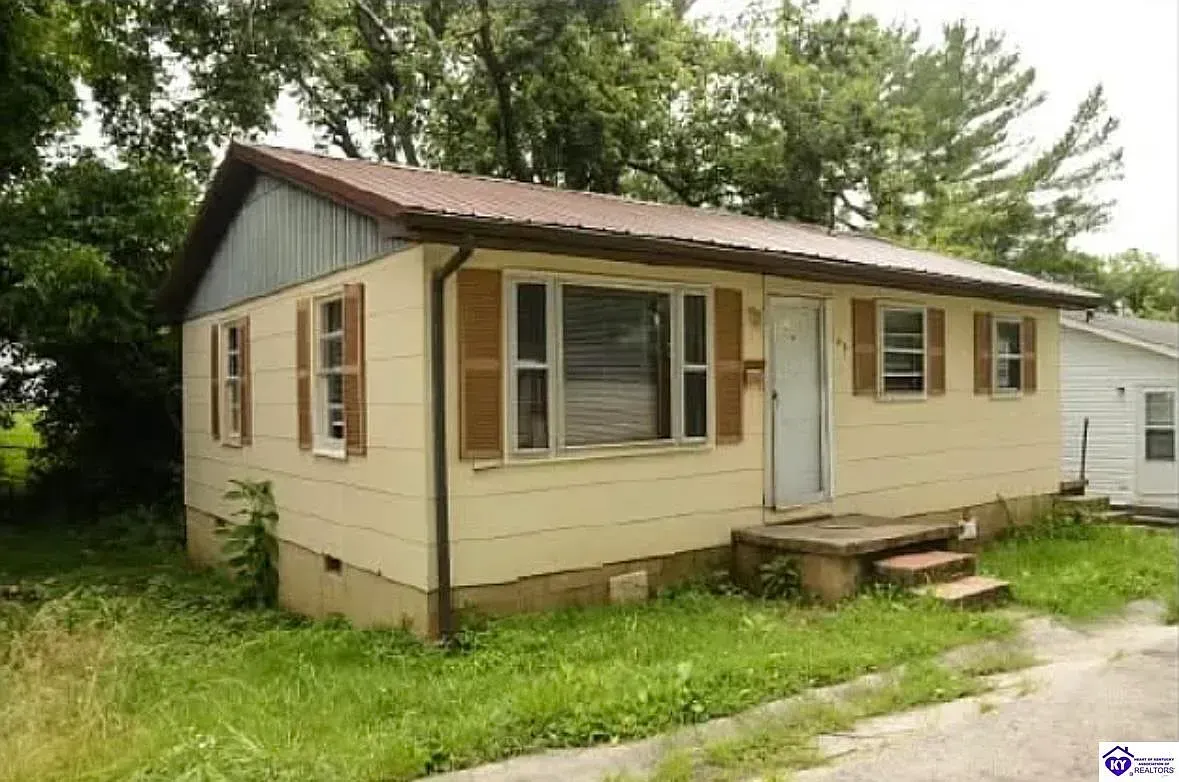
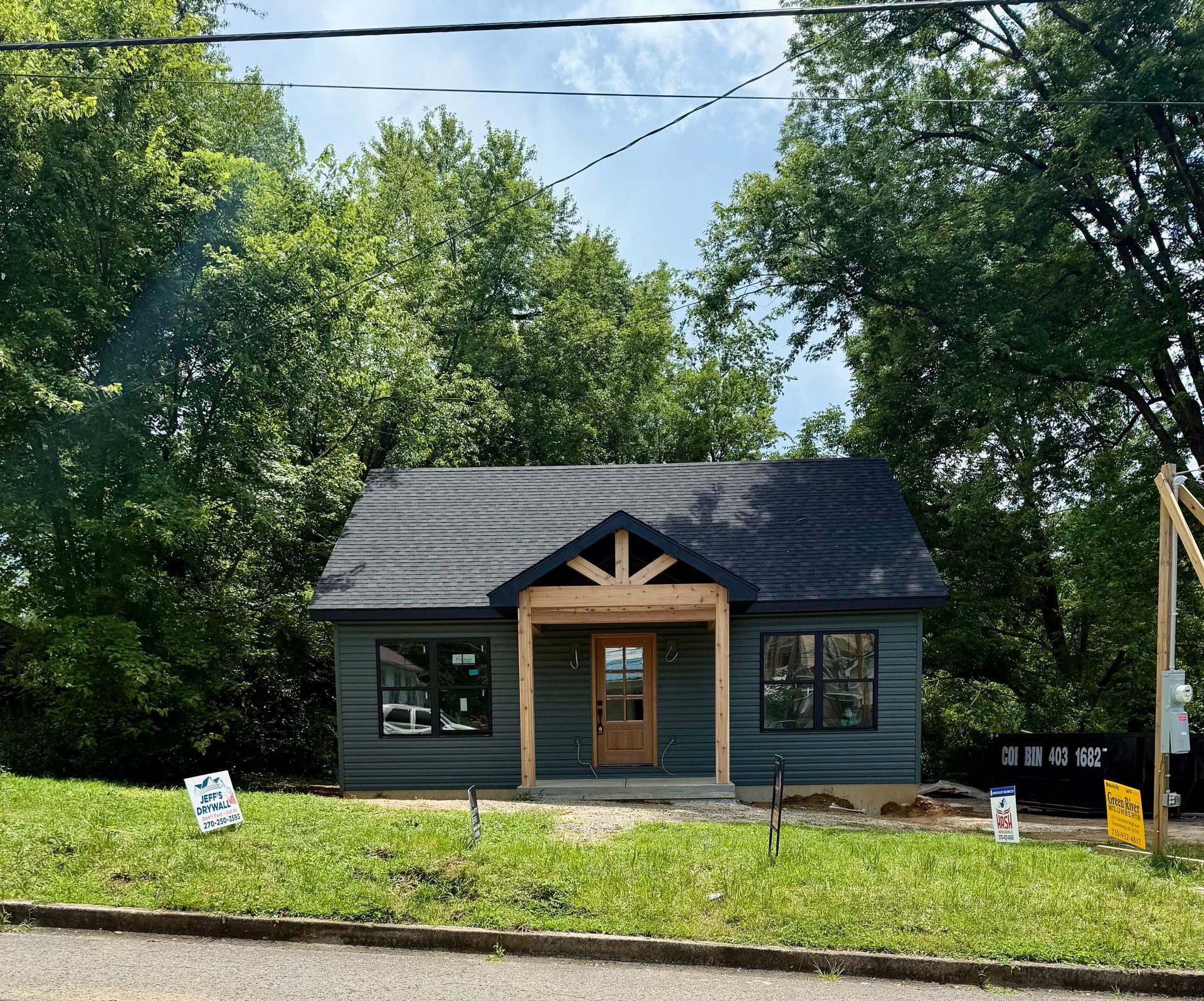
Rapid Equity Partners • May 8, 2025

For most buyers, the first time they see their new home is when walls are going up or finishes are being installed. But long before the flooring, paint, and hardware come into play, there’s an entire world of work happening behind the scenes.


At Rapid Equity Partners, every new construction project follows a structured, quality-driven process — one that turns empty lots into lasting homes. Here’s a look at what really goes into building a home from the ground up.


Step 1: Acquiring and Clearing the Lot


Every build begins with land. Whether it’s a revitalized city lot or a plot in a new neighborhood, the first step is acquisition and preparation.


Rapid Equity Partners evaluates zoning, accessibility, and utility connections before any plans are drawn. Once approved, demolition (if needed) and grading begin, ensuring the land is ready for construction.


Step 2: Laying the Foundation


The foundation sets the tone for the entire home. Precision is key.

Concrete is poured and cured, plumbing groundwork is installed, and inspections are completed to ensure everything meets code before vertical construction begins.


Whether it’s a crawlspace, slab, or full basement, this phase is crucial for long-term durability.


Step 3: Framing, Roofing & Exterior


Framing brings the blueprint to life.

Walls go up, roof trusses are set, and windows and doors are installed. The house begins to take shape and is protected from the elements. Roofing, siding, and exterior finishes follow — building out the shell of the home.


Throughout this stage, Rapid Equity Partners performs quality checks to ensure accuracy and strength.


Step 4: Electrical, Plumbing & HVAC


Once the home is sealed, the internal systems begin.

Licensed subcontractors install all major utilities — electrical wiring, plumbing lines, and heating and cooling systems. Inspections are conducted before insulation and drywall to ensure everything is safely and correctly installed.


This behind-the-wall phase is one of the most critical for long-term function and safety.


Step 5: Drywall, Paint, and Interior Finishes


Next comes the transformation from construction site to home.

Drywall is hung, seams are finished, and walls are primed and painted. Interior doors, trim, flooring, and cabinetry are installed. Lighting fixtures, countertops, and appliances are added — bringing warmth, style, and function into every room.


Buyers often begin walk-throughs during this phase to get a feel for the final space.


Step 6: Final Touches and Walkthrough


Once construction is complete, every home undergoes a thorough inspection and cleaning.

Touch-ups are handled, final hardware is installed, and the home is prepared for its new owners. A final walkthrough with the buyer ensures everything meets expectations before closing.


Why It Matters


Building a home is more than just materials and labor — it’s a carefully orchestrated process that requires attention to detail, clear communication, and a commitment to excellence.


At Rapid Equity Partners, that process is handled start to finish by a team that takes pride in building homes that stand the test of time — both structurally and emotionally.


Curious about what’s being built near you?

Visit our website or stop by our office to explore current and upcoming projects with Rapid Equity Partners.

December 11, 2025
Inherited Property
December 10, 2025
When it comes to renovating a home, there's no shortage of advice- but not all of it is accurate. In fact, most homeowners start projects with assumptions that are outdated, exaggerated or just plain wrong. These renovation myths often lead to stress, overspending, or avoiding a project that could have actually been simple. Myth #1 "Renovations always take forever" There's no denying that some projects require more time and planning, especially major ones like foundation repairs or full remodels. But the idea that every renovation turns into a long dragged-out nightmare isn't true. The truth: With proper planning, skilled workers and efficient scheduling, many projects can be completed much faster then most people expect. Simple upgrades are often started and finished within days, not months. Good organization is what makes the difference. Myth #2 "All renovations are expensive" This is one of the biggest misconceptions. People often picture massive kitchen makeovers or full remodels when they hear "renovations" but most upgrades don't require a huge budget. The truth: Small improvements can create a big impact. Think: - Fresh paint - New fixtures - updated flooring - repaired trim - gutter cleaning - foundation touch-ups - minor plumbing or electrical fixtures These upgrades can boost value, improve comfort and prevent costly issues without draining your wallet! Myth #3 "Foundation problems mean the home is ruined" Hearing the words "foundation issue" scares a lot of homeowners, but not all problems are severe. The truth: Most foundation issues are repairable- and often easier than people think. Common signs like small cracks, sticking doors, or uneven floors don't automatically mean major structural failure. Catching problems early can prevent bigger damage later, and professional repair often restores the homes safety and value completely. Myth #4: "You should try to DIY everything to save money" DIY can be great for painting, landscaping, or small decor projects... but when it comes to areas like electrical work, plumbing, foundation repairs, crawlspace issues, or roofing, DIY often leads to bigger problems. The truth: Trying to save money sometimes ends up costing more. Incorrect DIY fixes can create: -Leaks -Electrical hazards -Uneven floors -Insulation problems -Safety issues -Major future repairs Hiring the right team avoids headaches - and protects your home! Final Thoughts: renovations don't have to be stressful, expensive or overwhelming - but the myths surrounding them often make homeowners hesitant to take the first step. Understanding what's true (and what's not) can save time, money and frustration. When you work with a team that can handle just about anything - the process becomes simpler, smoother and far more predictable!
More Posts